

- Encourages Creative And Educational Play
- Durable Wooden Toys For Children
- Supports Early Learning And Development
- Safe Design For Everyday Fun
Parents today have more toy choices than ever before. From electronic gadgets and interactive screens to traditional building blocks and educational games, selecting the right toys can be challenging. While modern digital toys often attract attention with lights, sounds, and technology, many parents continue to prefer wooden toys because they encourage creativity, imagination, and hands-on learning.
TinyLand Wooden Toys have become increasingly popular among families looking for high-quality toys that support healthy child development. The brand offers a variety of wooden playsets, pretend-play toys, activity centers, kitchens, dollhouses, and educational toys designed to engage children while promoting important developmental skills. Their products focus on combining fun, safety, and learning into a single play experience.
This TinyLand Wooden Toys Review explores the brand’s quality, safety, educational benefits, durability, play value, and overall performance. If you are wondering whether TinyLand Wooden Toys can contribute positively to your child’s growth and development, this detailed guide will help you make an informed decision.
Product Overview
Before evaluating developmental benefits, it helps to understand what TinyLand offers.
What Are TinyLand Wooden Toys?
TinyLand produces a wide range of wooden toys designed for children of various ages. These toys emphasize imaginative play, skill development, and creative learning.
Popular Product Categories
The brand offers:
- Wooden play kitchens
- Dollhouses
- Activity toys
- Building toys
- Pretend-play sets
- Educational toys
- Wooden train sets
- Play food collections
Primary Goal
TinyLand focuses on creating toys that encourage children to learn through play while reducing dependence on screens and electronic entertainment.
These products are designed to provide meaningful play experiences that support developmental growth.
TinyLand Wooden Toys Specifications
The table below highlights common characteristics found across many TinyLand products.
| Feature | Details |
|---|---|
| Material | Wood |
| Toy Type | Educational & Pretend Play |
| Safety Focus | Child-Friendly Design |
| Learning Benefits | Multiple Skills Development |
| Durability | High |
| Maintenance | Low |
| Assembly Required | Some Products |
| Age Range | Varies By Product |
| Indoor Use | Yes |
| Best For | Learning Through Play |
These features make the toys attractive to many families.
Design and Build Quality
The quality of a toy directly affects how long it lasts, how safe it is for children, and how enjoyable the play experience becomes. TinyLand Wooden Toys are designed with a strong focus on craftsmanship, durability, and visual appeal. The brand aims to create toys that not only entertain children but also withstand years of regular use.
Attractive Appearance
TinyLand toys feature colorful and engaging designs that immediately capture children’s attention. The colors are bright enough to encourage interest while remaining balanced and visually pleasing. Unlike many electronic toys that rely on flashing lights and excessive stimulation, TinyLand products offer a more natural and timeless appearance that fits well in modern playrooms and family spaces.
Smooth Construction
Children frequently handle, move, and interact closely with their toys, making smooth construction extremely important. Many TinyLand products are carefully finished with rounded edges and smooth surfaces that help improve comfort and safety during play. This attention to detail reduces the risk of scratches and creates a more child-friendly experience.
Durable Materials
Wood remains one of the most reliable materials for children’s toys. TinyLand uses wooden construction that offers several practical benefits:
- Improved durability
- Longer product lifespan
- Better resistance to rough play
- Timeless appearance
Many parents find that wooden toys maintain their quality far longer than comparable plastic alternatives, making them a worthwhile long-term investment.
Quality That Supports Long-Term Use
The combination of attractive design, durable materials, and thoughtful construction helps TinyLand stand out in the educational toy market. Many families appreciate that these toys can remain in excellent condition through years of active play and may even be passed down to younger siblings.
Safety Features
When shopping for children’s toys, safety is often the first concern for parents. TinyLand places a strong emphasis on creating products that allow children to play comfortably while minimizing common safety concerns. The brand incorporates several child-focused design elements that contribute to safer play experiences.
Child-Friendly Design
TinyLand products are specifically developed with young children in mind. Many toys feature thoughtful construction that helps reduce potential hazards while maintaining an enjoyable play experience.
Common safety-focused features include:
- Rounded corners
- Smooth finishes
- Stable construction
- Age-appropriate designs
These design choices help create a safer environment for active play and exploration.
Material Selection
The use of wooden materials provides a sturdy and dependable alternative to many lightweight plastic toys. Wooden construction often offers greater stability and durability, helping toys withstand frequent use while maintaining their structural integrity. Parents frequently appreciate the solid feel and reliability that wooden toys provide.
Parent Confidence
Many families choose TinyLand because of its reputation for thoughtful design and quality construction. The attention given to safety features allows parents to feel more comfortable while children engage in independent play. Knowing that toys are built with durability and child-friendly features in mind contributes to greater peace of mind.
A Strong Focus on Safety
Safety is one of TinyLand’s most appealing qualities. The combination of durable materials, smooth finishes, and child-centered design makes the brand a popular choice among parents who want toys that balance fun, learning, and security.
Educational Value
Many parents prefer toys that offer more than simple entertainment. TinyLand Wooden Toys are designed to support learning through active engagement, allowing children to build important skills while enjoying playtime. This educational focus is one of the primary reasons the brand continues to grow in popularity.
Learning Through Play
TinyLand toys encourage children to participate actively rather than simply observing or pressing buttons. Through imaginative scenarios, building activities, and hands-on interaction, children naturally develop important abilities while having fun.
Key learning benefits include:
- Problem-solving practice
- Creative thinking
- Exploration and curiosity
- Independent play skills
These experiences help create a foundation for future learning and development.
Skill Development
Different TinyLand products help children strengthen a variety of essential skills that contribute to everyday growth and learning.
Common developmental benefits include:
- Fine motor skill improvement
- Hand-eye coordination development
- Social interaction practice
- Cognitive growth and reasoning
Regular engagement with educational toys can help reinforce these skills over time.
Age-Appropriate Learning
Children develop at different rates, which is why age-appropriate learning experiences are important. TinyLand offers products designed for various developmental stages, allowing children to engage with activities that match their abilities and interests. This helps maintain engagement while supporting steady progress and confidence building.
Learning That Feels Like Fun
One of the greatest strengths of TinyLand Wooden Toys is their ability to blend education with enjoyment. Children often become deeply involved in play without realizing they are developing important skills. This natural approach to learning makes playtime both productive and enjoyable for young minds.
Imagination and Creativity Benefits
Creative play is essential for childhood development.
Open-Ended Play
Many TinyLand toys allow children to create their own stories and scenarios.
Examples include:
- Pretend cooking
- Running a toy store
- Family role-playing
- Building activities
Creative Thinking
Children use imagination to solve problems and create new experiences during play.
Reduced Screen Dependence
Traditional toys often encourage more active engagement compared to passive screen-based entertainment.
Creative play remains one of the biggest developmental benefits.
Fine Motor Skill Development
Physical skill development is an important part of early childhood.
Hand Movements
Activities such as stacking, sorting, arranging, and manipulating toy components help strengthen hand muscles.
Coordination Practice
Children improve:
- Finger control
- Precision movements
- Object manipulation
Everyday Benefits
These developing skills later contribute to activities such as writing, drawing, dressing, and other daily tasks.
Fine motor development is a valuable educational advantage.
Social and Emotional Development
Many TinyLand toys encourage interaction with others.
Cooperative Play
Children often play together using:
- Play kitchens
- Dollhouses
- Pretend-play sets
Communication Skills
Interactive play promotes conversation and language development.
Emotional Expression
Pretend play allows children to explore emotions, relationships, and social situations in a safe environment.
These experiences contribute to healthier social development.
Durability and Longevity
When investing in children’s toys, many parents want products that will remain useful and attractive for years rather than months. TinyLand Wooden Toys are designed with durability in mind, helping families get long-term value from their purchases. The sturdy construction and timeless design make these toys suitable for repeated use while maintaining their quality and appearance.
Strong Wooden Construction
One of the biggest advantages of TinyLand toys is their wooden construction. Wood generally provides greater strength and durability than many lightweight plastic materials commonly used in children’s toys. It can withstand everyday handling, active play sessions, and occasional drops more effectively, making it well suited for energetic children.
Multi-Year Use
Many TinyLand products continue to provide value as children grow and develop. Pretend-play kitchens, dollhouses, activity centers, and educational toys often remain engaging across multiple developmental stages. Children may interact with the same toy in different ways as their imagination, creativity, and skills continue to expand over time.
Family Value
Because of their durable construction, TinyLand toys are often able to remain in good condition for years. Many families pass these toys from older siblings to younger children, extending their usefulness and increasing overall value. This durability can help reduce the need for frequent toy replacements while supporting long-term family enjoyment.
A Worthwhile Investment
Although wooden toys may sometimes have a higher initial cost than basic plastic alternatives, their longevity often helps justify the investment. Parents frequently appreciate that the toys continue to provide entertainment, learning opportunities, and developmental benefits long after many other toys have worn out or been discarded.
Ease of Maintenance
Parents often prefer toys that are simple to clean, organize, and maintain. TinyLand Wooden Toys are designed to provide enjoyable play experiences without creating significant maintenance demands. Their straightforward design helps reduce the time and effort required to keep toys in good condition.
Simple Cleaning
Keeping children’s toys clean is important for both hygiene and appearance. Most TinyLand wooden toys can be maintained using basic cleaning methods such as wiping surfaces with a soft cloth. Regular cleaning helps remove dust, fingerprints, and everyday dirt while preserving the toy’s attractive finish and overall condition.
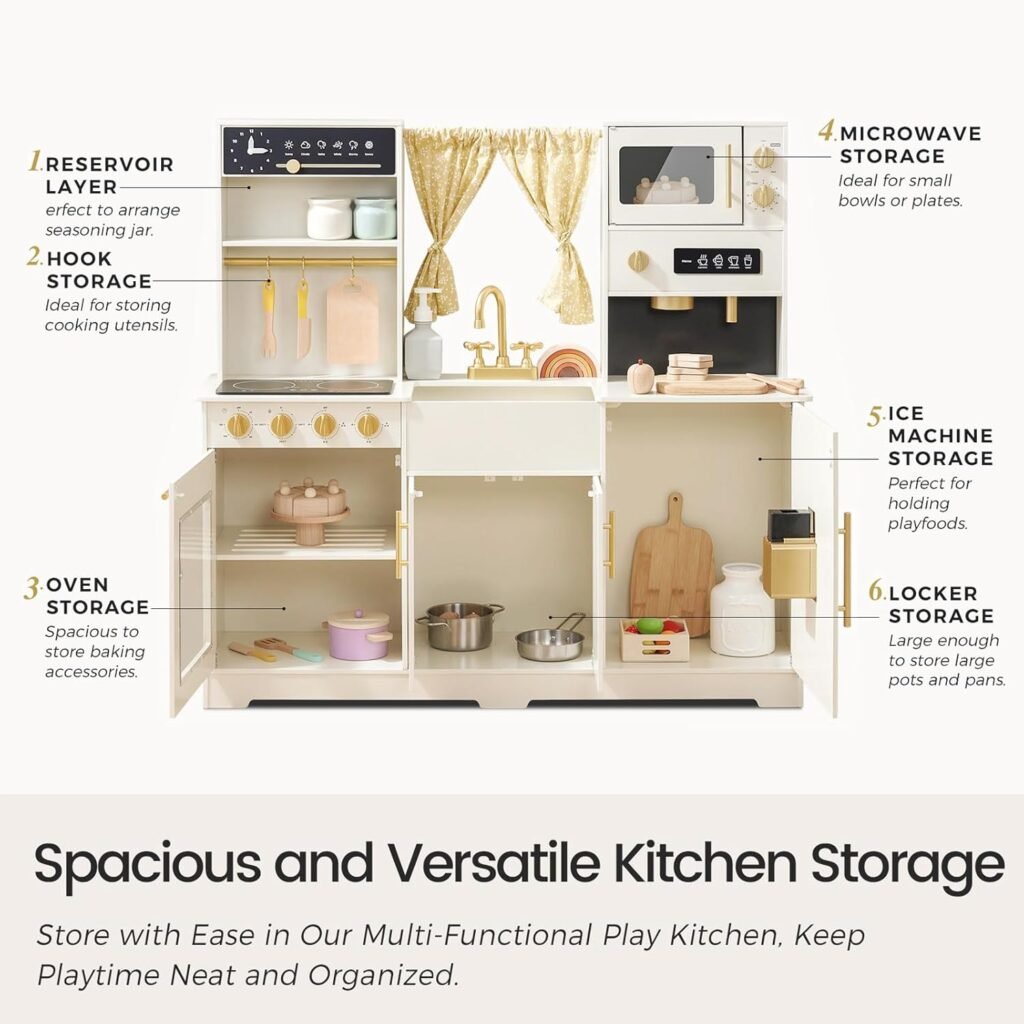
Organized Storage
Many TinyLand playsets include multiple pieces and accessories that can be stored efficiently after use. Proper organization helps keep play areas tidy and makes it easier for children to find and return toy components when needed. This can encourage responsibility and help maintain a clutter-free environment.
Low Maintenance
Unlike many electronic or battery-powered toys, TinyLand Wooden Toys require very little ongoing upkeep. There are no batteries to replace, charging cables to manage, or electronic components to troubleshoot. This simplicity allows parents to focus more on play and less on maintenance-related concerns.
Convenient for Busy Families
The combination of easy cleaning, organized storage, and minimal maintenance requirements makes TinyLand toys especially appealing to busy households. Parents can spend less time managing toys and more time enjoying meaningful interactions with their children. This convenience adds to the overall value and practicality of the brand.
Child Development Benefits
One of the main reasons parents choose educational toys is to support healthy child development. TinyLand Wooden Toys are specifically designed to engage children in meaningful play activities that stimulate both physical and mental growth. Through hands-on interaction, children gain valuable experiences that contribute to learning and personal development.
Cognitive Development
Many TinyLand toys encourage children to think, plan, and solve problems. Activities such as building, sorting, matching, and role-playing help strengthen memory, concentration, and critical thinking skills. These experiences support early learning while keeping children actively engaged.
Language Development
Pretend-play toys often inspire conversations and storytelling. As children create scenarios and interact with others, they naturally expand their vocabulary and communication skills. This type of play can help improve language development in a fun and natural way.
Confidence Building
Successfully completing activities and creating imaginative play scenarios helps children develop confidence in their abilities. Positive play experiences encourage independence and self-expression.
Active Learning
Rather than simply observing, children actively participate in the learning process. This hands-on approach often leads to greater engagement and longer-lasting educational benefits.
These developmental advantages make TinyLand Wooden Toys appealing to many parents.
Pros and Cons
Every toy brand has strengths and limitations.
Pros
- Durable wooden construction
- Educational play opportunities
- Encourages creativity
- Supports skill development
- Attractive designs
- Child-friendly construction
- Reduced screen dependence
- Long-lasting value
Cons
- Some products require assembly
- Wooden toys may cost more initially
- Larger playsets require storage space
For many families, the advantages greatly outweigh the disadvantages.
Real-Life Example
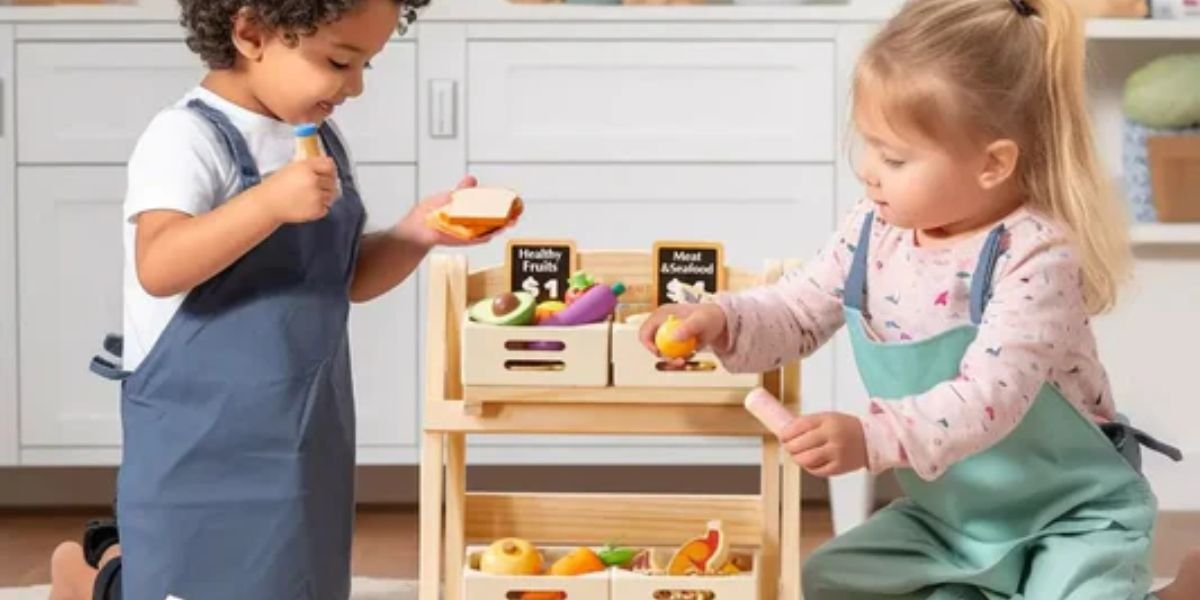
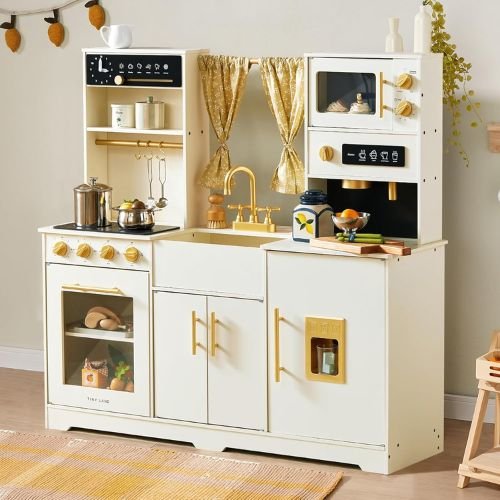
Imagine a child receiving a TinyLand Wooden Kitchen Set. Instead of simply pressing buttons or watching screens, the child begins creating meals, serving family members, and inventing imaginative stories. Through this process, they practice communication, social interaction, problem-solving, and creativity. Parents often notice increased engagement and longer periods of independent play.
This example demonstrates how educational toys can combine fun with developmental benefits.
Who Should Buy TinyLand Wooden Toys?
Different families have different priorities when selecting toys. TinyLand products appeal to parents seeking educational value, durability, and meaningful play experiences.
Parents of Young Children
TinyLand toys provide age-appropriate activities that support learning and development during important early childhood years.
Families Seeking Educational Toys
Parents looking for toys that combine entertainment with skill-building often find TinyLand products appealing.
Screen-Conscious Households
Families aiming to reduce screen time may appreciate toys that encourage active, hands-on engagement.
Preschool and Kindergarten Children
Many TinyLand products are especially suitable for children developing foundational learning and social skills.
Gift Buyers
The attractive designs and educational benefits make TinyLand products popular gift choices for birthdays and holidays.
These groups often gain the greatest value from TinyLand Wooden Toys.
Buying Checklist
Before purchasing wooden toys, consider the following checklist.
Safety Considerations
✔ Age suitability
✔ Smooth construction
✔ Stable design
Educational Goals
✔ Creativity development
✔ Skill building
✔ Problem-solving opportunities
Practical Factors
✔ Available space
✔ Storage requirements
✔ Durability
Budget Evaluation
✔ Long-term value
✔ Product quality
✔ Developmental benefits
This checklist helps simplify the buying process.
Common Mistakes Buyers Make
Choosing the right toy involves more than simply selecting something that looks fun or popular. Many parents and gift buyers make purchasing decisions without fully considering factors such as educational value, age suitability, durability, and a child’s personal interests. Avoiding these common mistakes can help ensure a more rewarding play experience and better long-term value.
Choosing Toys Only for Entertainment
While entertainment is important, toys that offer educational benefits often provide greater long-term value. Some buyers focus only on flashy features, sounds, or short-term excitement without considering how the toy supports learning and development. Toys that encourage creativity, problem-solving, and hands-on engagement can help children build valuable skills while still having fun.
Ignoring Age Recommendations
Age recommendations are designed to help parents choose toys that match a child’s developmental stage and abilities. Selecting toys that are too advanced can lead to frustration, while toys that are too simple may quickly lose their appeal. Choosing age-appropriate products improves both safety and enjoyment while creating a more positive play experience.
Overlooking Available Space
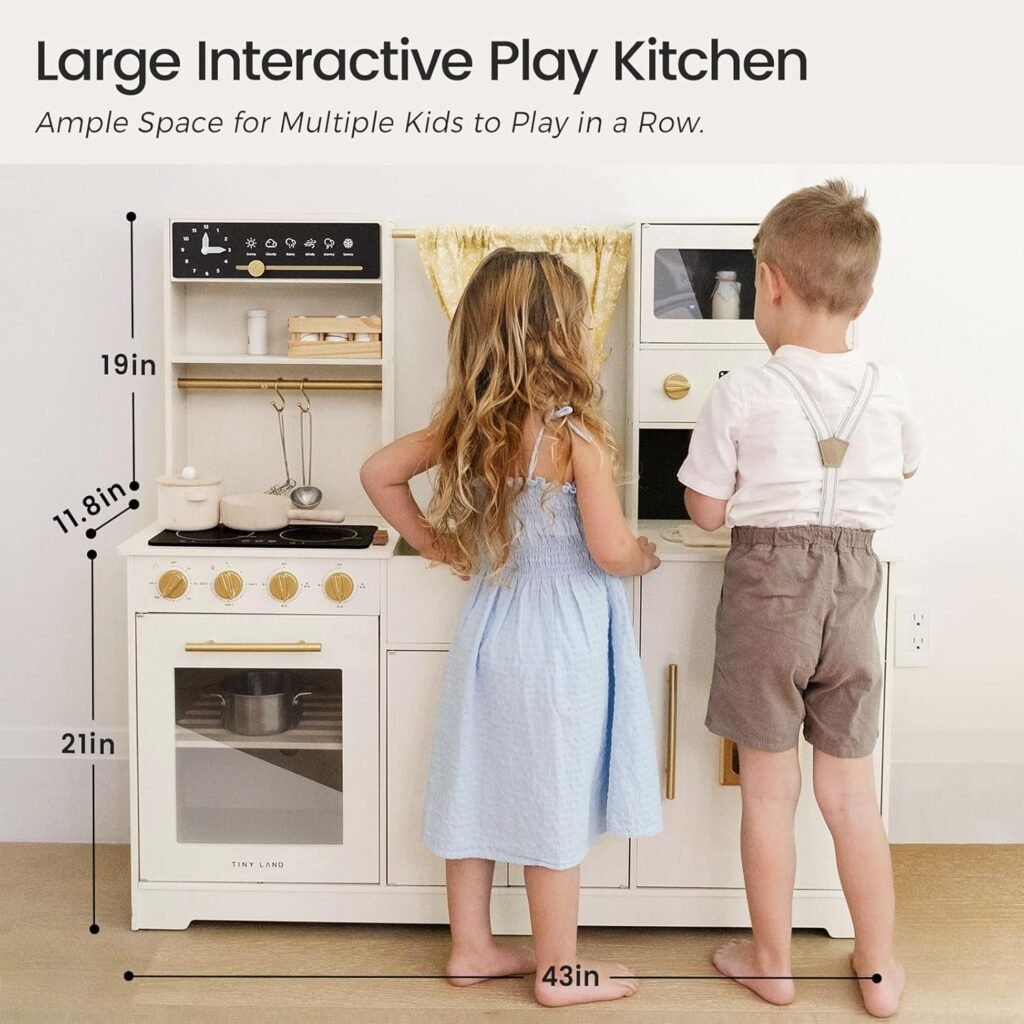
Large play kitchens, dollhouses, and activity centers require sufficient room for comfortable use. Some buyers become excited about a product without considering where it will be placed in the home. Measuring available space before purchasing helps prevent overcrowding and ensures children have enough room to play safely and freely.
Focusing Only on Price
Price is an important consideration, but the lowest-priced option is not always the best value. Higher-quality toys often provide superior durability, better materials, improved safety features, and greater educational benefits. Evaluating overall quality rather than focusing solely on cost can lead to a more satisfying purchase and longer-lasting enjoyment.
Not Considering Child Interests
Every child has unique interests and preferences. Some children enjoy pretend play, while others prefer building, puzzles, or creative activities. Choosing toys that align with a child’s interests often leads to longer engagement, increased enthusiasm, and more meaningful play experiences. Matching the toy to the child’s personality can significantly enhance its value.
Careful Planning Improves Satisfaction
A thoughtful purchasing decision can make a significant difference in how much value a toy provides. By considering educational benefits, age suitability, available space, quality, and personal interests, parents can choose toys that remain engaging and beneficial over time. Careful planning helps maximize both child enjoyment and long-term satisfaction.
Must Read:
- LetPot Review: Can It Help You Grow Healthier Plants?
- Mowrator S1 2WD Review: Is This Smart Lawn Mower Worth It?
- NAVEE Electric Scooter Review: Can It Handle Daily Commutes?
FAQs:
1. Are TinyLand Wooden Toys safe for children?
Yes. TinyLand designs its toys with child safety in mind, using smooth surfaces, rounded edges, and sturdy construction.
2. Do TinyLand Wooden Toys help child development?
Yes. Many products support creativity, fine motor skills, social interaction, communication, and cognitive development.
3. Are TinyLand toys durable?
The wooden construction provides excellent durability and can withstand regular play over extended periods.
4. What age group is TinyLand best for?
Age suitability varies by product, but many toys are designed for toddlers, preschoolers, and young children.
5. Are TinyLand Wooden Toys educational?
Yes. The toys combine entertainment with learning opportunities that help children develop important skills through play.
6. Are TinyLand Wooden Toys worth buying?
For parents seeking safe, durable, and educational toys that encourage creativity and development, TinyLand Wooden Toys offer excellent value.
Final Verdict:
This TinyLand Wooden Toys Review demonstrates why the brand has become a popular choice among parents looking for meaningful alternatives to screen-based entertainment. The combination of durable wooden construction, educational value, creative play opportunities, and child-friendly design creates products that support healthy childhood development while providing hours of enjoyable play.
TinyLand toys help children build important skills such as communication, problem-solving, creativity, fine motor coordination, and social interaction. The emphasis on open-ended play encourages imagination and independent thinking while reducing reliance on electronic devices.
If your goal is to provide children with engaging toys that combine fun, learning, and long-term value, TinyLand Wooden Toys are certainly worth considering. Their blend of quality, durability, safety, and developmental benefits makes them a strong choice for families seeking educational play experiences.
- Encourages Creative And Educational Play
- Durable Wooden Toys For Children
- Supports Early Learning And Development
- Safe Design For Everyday Fun