

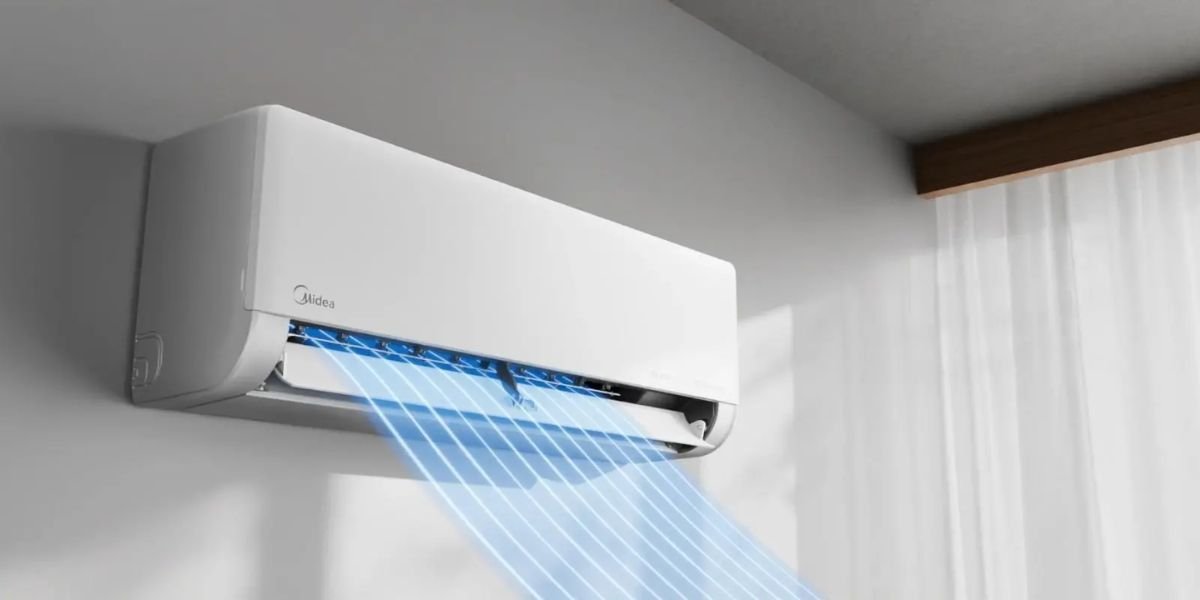
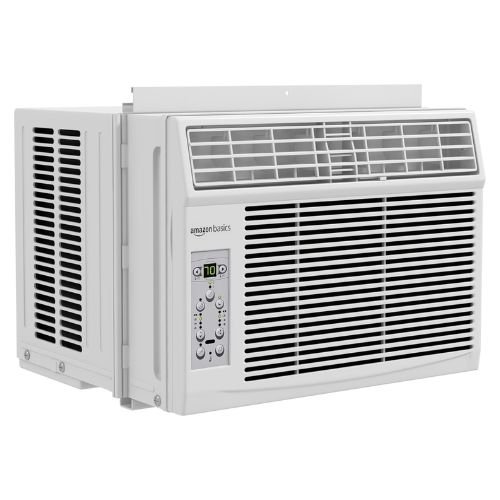
- Energy-efficient cooling lowers power consumption
- Fast cooling for instant comfort
- Smart controls enhance daily convenience
- Quiet operation suitable for bedrooms
Air conditioning has become an essential part of modern living, especially in regions that experience long summers and high temperatures. While cooling systems provide comfort, they can also contribute significantly to monthly electricity bills. As energy costs continue to rise, many homeowners are searching for air conditioners that offer effective cooling without excessive power consumption.
Modern air conditioners have evolved considerably over the past decade. Features such as inverter compressors, smart controls, energy-saving modes, and advanced airflow systems are helping users achieve better comfort while using less electricity. Choosing the right air conditioner can make a noticeable difference in both indoor comfort and long-term operating costs.
Midea has established itself as one of the most recognized names in the home appliance industry. Its air conditioners are designed to balance cooling performance, energy efficiency, and affordability. In this detailed Midea Air Conditioner Review, we examine its features, cooling capabilities, smart technology, operating costs, and overall value to determine whether it can truly help lower energy bills.
What Is a Midea Air Conditioner?
Midea is a global appliance manufacturer known for producing a wide range of home comfort products, including air conditioners. The company offers various cooling solutions designed for apartments, homes, offices, and commercial spaces.
Many Midea air conditioners focus on energy efficiency while maintaining strong cooling performance. Depending on the model, users may benefit from inverter technology, Wi-Fi connectivity, intelligent temperature management, and advanced filtration systems.
Core Features
- Energy-efficient cooling
- Inverter compressor technology
- Smart mobile controls
- Fast cooling modes
- Air purification features
- Quiet operation
- Multiple cooling settings
These features help position Midea as a competitive option in the modern air conditioning market.
Quick Product Overview
| Feature | Midea Air Conditioner |
|---|---|
| Product Type | Air Conditioner |
| Cooling Technology | Inverter-Based |
| Smart Control | Yes |
| Energy Saving Mode | Yes |
| Wi-Fi Connectivity | Available |
| Air Filtration | Yes |
| Quiet Operation | Yes |
| Fast Cooling | Yes |
| Best For | Homes and Offices |
| Efficiency Focus | High |
First Impressions and Design Quality
The first impression of a Midea air conditioner is generally positive. Most units feature a modern appearance that blends well with contemporary interiors. The indoor units are designed to be compact while maintaining strong airflow capabilities.
Build quality feels solid, with durable materials used throughout the system. Controls are intuitive, and the display panels provide useful information without appearing cluttered.
Design Highlights
- Modern appearance
- Compact indoor unit
- Durable construction
- Clean display design
- User-friendly controls
- Flexible installation options
The overall design focuses on functionality while maintaining a professional appearance suitable for most environments.
Key Features of Midea Air Conditioners
Before evaluating real-world performance, it is important to examine the technologies that contribute to the system’s efficiency and comfort.
Inverter Technology
Inverter technology is one of the most important energy-saving features available in modern air conditioners. Instead of constantly turning on and off, the compressor adjusts its speed according to cooling demand. This helps reduce electricity consumption while maintaining more consistent temperatures.
Energy-Saving Modes
Many Midea models include dedicated energy-saving settings that optimize cooling performance while reducing power usage. These modes help users maintain comfort without unnecessarily increasing electricity costs.
Smart Wi-Fi Control
Wi-Fi connectivity allows users to control temperature settings remotely using a smartphone application. This feature can help improve efficiency by preventing unnecessary cooling when rooms are unoccupied.
Fast Cooling Performance
Fast cooling modes are designed to quickly reduce room temperatures during particularly hot conditions. This feature can provide immediate comfort after arriving home or entering a warm room.
Air Filtration System
Many Midea units include filtration systems that help reduce dust, airborne particles, and other contaminants. Cleaner air contributes to a more comfortable indoor environment.
Quiet Operation
Noise reduction technology helps maintain a peaceful atmosphere, making these air conditioners suitable for bedrooms, offices, and living spaces.
Setup and Installation Experience
Installation plays an important role in overall air conditioner performance. Proper placement and setup can influence both cooling efficiency and energy consumption.
Installation Process
- Select installation location.
- Mount indoor unit.
- Connect outdoor unit.
- Configure electrical connections.
- Test cooling performance.
- Set up smart features if available.
Professional installation is generally recommended to ensure optimal performance and long-term reliability.
Cooling Performance Review
Cooling performance remains the primary reason people purchase an air conditioner. Midea units are designed to provide efficient cooling across a variety of room sizes and environmental conditions.
Small Rooms
In smaller spaces, cooling performance is impressive. Rooms typically reach comfortable temperatures quickly while maintaining stable climate control throughout operation.
Medium Rooms
Medium-sized living spaces benefit from consistent airflow and effective temperature regulation. Cooling remains balanced without creating noticeable hot or cold zones.
Large Rooms
Larger rooms may require higher-capacity models, but properly sized Midea units generally perform well in maintaining comfortable temperatures throughout extended periods.
High Temperature Conditions
During particularly hot weather, the system continues to deliver reliable cooling. Fast cooling modes help restore comfort more quickly when indoor temperatures rise significantly.
Energy Efficiency and Power Consumption
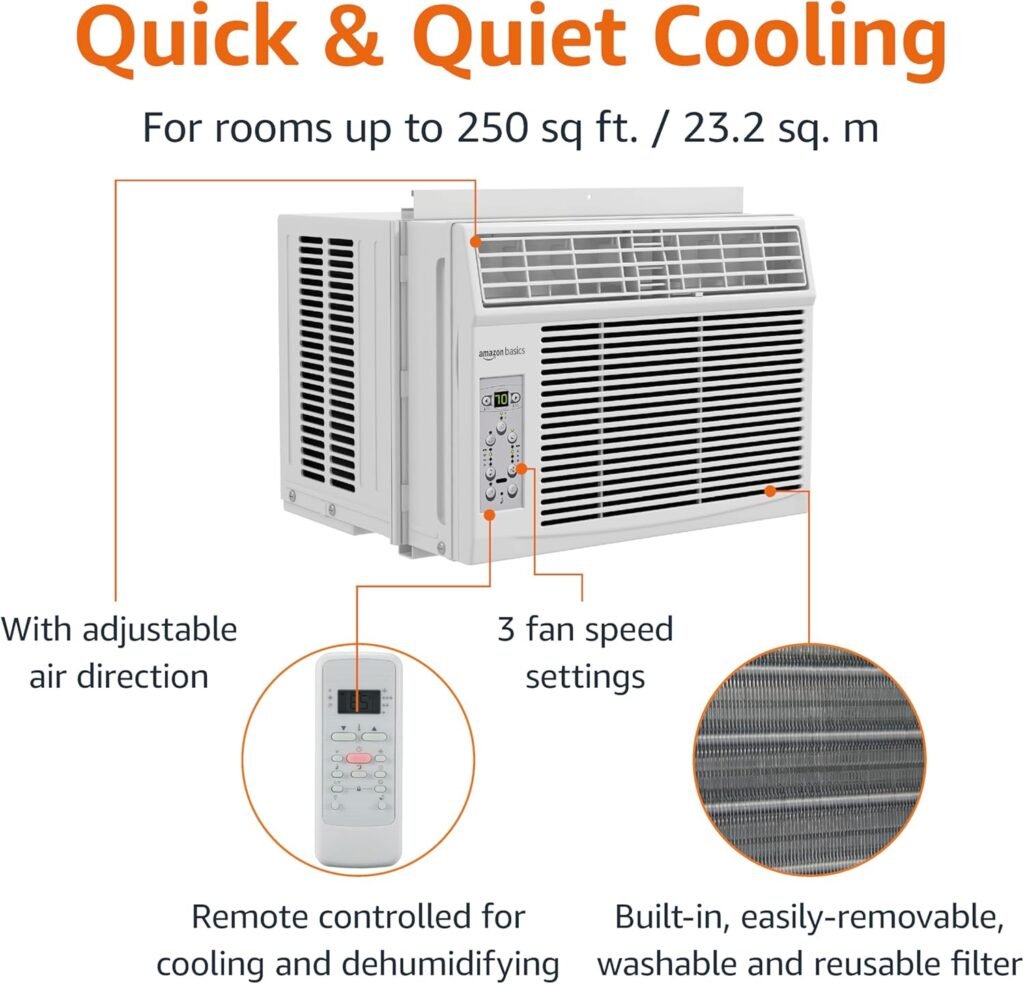
One of the biggest questions buyers ask is whether a Midea air conditioner can actually lower energy bills.
Energy efficiency depends on several factors, including room size, insulation quality, local climate, thermostat settings, and usage habits. However, Midea’s inverter technology contributes significantly to reducing unnecessary power consumption.
Energy-Saving Benefits
- Reduced compressor cycling
- Stable temperature management
- Lower electricity consumption
- Smart scheduling capabilities
- Efficient cooling performance
Compared with older non-inverter systems, many users may notice measurable energy savings over time.
Smart Features and Mobile App
Smart technology adds another level of convenience and control.
App Features
- Remote temperature control
- Scheduling options
- Energy monitoring
- Mode selection
- Device management
- System notifications
The ability to control cooling remotely can help improve efficiency while providing greater convenience.
Air Quality and Filtration Performance
Indoor air quality affects overall comfort and well-being.
Midea air conditioners often include filtration systems designed to capture dust and airborne particles before circulating air throughout the room.
Air Quality Benefits
- Cleaner airflow
- Reduced dust circulation
- Improved comfort
- Better indoor environment
- Enhanced filtration support
While not a substitute for dedicated air purifiers, these systems contribute positively to indoor air quality.
Noise Levels During Operation
Noise can significantly influence user satisfaction.
Midea air conditioners are generally designed to operate quietly, particularly at lower fan speeds and standard cooling settings.
Noise Advantages
- Bedroom-friendly operation
- Suitable for home offices
- Reduced distractions
- Comfortable overnight use
- Improved daily comfort
Quiet performance is particularly valuable for light sleepers and remote workers.
Maintenance Requirements
Regular maintenance helps preserve cooling efficiency and extend system lifespan.
Maintenance Tasks
- Clean air filters
- Inspect vents
- Remove dust buildup
- Schedule professional servicing
- Monitor outdoor unit condition
Routine maintenance remains relatively simple and contributes to consistent performance.
Reliability and Long-Term Performance
Reliability is a key factor when evaluating any major appliance.
Midea air conditioners are generally built for long-term operation and daily use.
Reliability Benefits
- Consistent cooling
- Durable components
- Stable performance
- Efficient operation
- Long service life
Proper installation and maintenance can further improve reliability over time.
Midea Air Conditioner vs Traditional Air Conditioners
| Feature | Midea Air Conditioner | Traditional AC |
| Energy Efficiency | High | Moderate |
| Inverter Technology | Yes | Often No |
| Smart Controls | Yes | Limited |
| Cooling Consistency | Excellent | Variable |
| Noise Levels | Lower | Higher |
| Operating Costs | Lower | Higher |
| Remote Access | Available | Rare |
| Energy Saving Modes | Yes | Limited |
Midea air conditioners generally offer advantages in efficiency, convenience, and modern functionality.
Pros and Cons
Before making a purchase decision, it is helpful to evaluate both the strengths and limitations of a Midea air conditioner. While the system offers strong cooling performance and energy-saving features, every product has considerations that potential buyers should review carefully.
Pros
- Energy-efficient inverter technology
- Strong cooling performance
- Smart control capabilities
- Quiet operation
- Fast cooling modes
- Modern design
- Air filtration support
- User-friendly controls
- Lower operating costs
- Reliable daily performance
Cons
- Professional installation recommended
- Smart features vary by model
- Initial investment may be higher
- Regular maintenance required
- Energy savings depend on usage habits
Who Should Buy a Midea Air Conditioner?
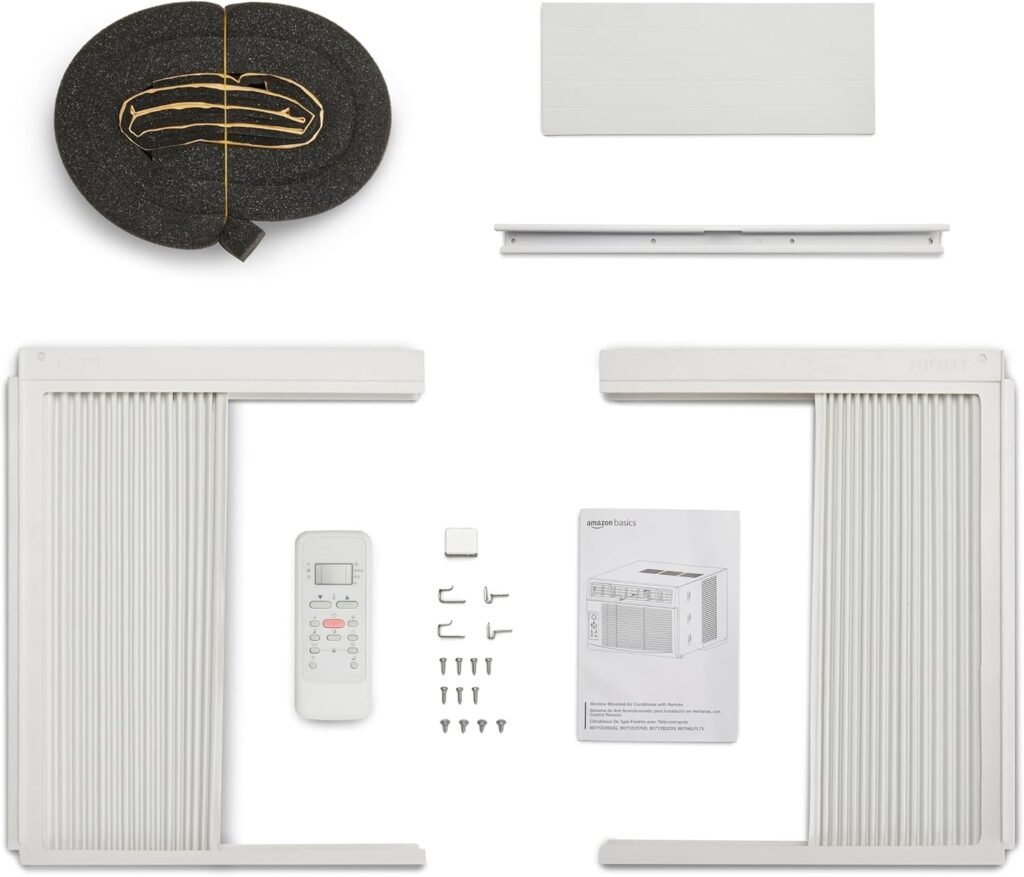
Midea air conditioners are designed for a wide range of users seeking reliable cooling and improved energy efficiency. Certain groups may benefit more than others from the system’s features and technology.
Homeowners
Homeowners looking to improve indoor comfort while managing electricity costs may find Midea air conditioners particularly appealing. The combination of efficient cooling and energy-saving technology can provide long-term value.
Apartment Residents
People living in apartments often appreciate compact systems that provide strong cooling without excessive noise. Many Midea units are well-suited for smaller living spaces.
Remote Workers
Individuals working from home may benefit from quiet operation and consistent temperature control throughout the day.
Budget-Conscious Buyers
Those seeking a balance between performance and affordability may appreciate the value offered by Midea products.
Smart Home Users
Users who enjoy connected devices may benefit from Wi-Fi control and app-based management features.
Who May Prefer Alternative Air Conditioners?
While Midea offers many advantages, some buyers may have requirements better served by other cooling solutions.
Luxury Appliance Buyers
Individuals seeking premium luxury brands with advanced customization features may explore higher-end alternatives.
Specialized Commercial Applications
Large commercial environments may require industrial-grade cooling systems designed specifically for business operations.
Minimal Technology Users
Some people prefer simpler systems without app connectivity or smart controls.
Extremely Large Properties
Very large homes may require multi-zone solutions or specialized HVAC systems beyond the scope of standard residential units.
Real-Life Usage Scenarios
One of the best ways to evaluate an air conditioner is to examine how it performs in everyday situations. Midea units are designed to adapt to a variety of living environments and usage patterns.
Scenario 1: Family Home
A family uses the system daily during summer months. Consistent cooling helps maintain comfort while inverter technology reduces electricity consumption compared to older systems.
Scenario 2: Apartment Living
An apartment resident benefits from efficient cooling, quiet operation, and compact design without overwhelming limited living space.
Scenario 3: Home Office
A remote worker enjoys stable temperatures throughout the day without excessive noise disrupting meetings or productivity.
Scenario 4: Vacation Property
Smart controls allow property owners to manage temperatures remotely before arriving, improving both comfort and efficiency.
These examples highlight the versatility and practicality of Midea air conditioners.
Buying Checklist
Before purchasing a Midea air conditioner, it is important to evaluate several factors that can affect cooling performance, energy efficiency, and long-term satisfaction. Choosing the right model depends on your home’s size, climate conditions, and personal preferences. Reviewing the following considerations can help ensure you invest in an air conditioner that meets both your comfort and budget requirements.
Room Size
Selecting the correct cooling capacity for your room is essential for efficient operation. An undersized unit may struggle to cool the space effectively, while an oversized unit can consume more energy than necessary. Measure the room carefully and choose a model designed to handle the square footage efficiently.
Energy Efficiency Rating
Energy efficiency ratings provide valuable information about a unit’s expected power consumption. Models with higher efficiency ratings often use less electricity while delivering similar cooling performance. Reviewing these ratings before purchasing can help identify options that may contribute to lower monthly energy costs over time.
Smart Features
Modern air conditioners often include smart functionality such as Wi-Fi connectivity, mobile app controls, scheduling options, and remote temperature adjustments. Consider whether these features align with your lifestyle. Smart controls can improve convenience and help optimize energy usage when rooms are unoccupied.
Installation Requirements
Every air conditioner has specific installation needs. Before purchasing, evaluate the available space for both indoor and outdoor components. Some installations may require professional assistance to ensure proper operation, safety, and long-term reliability.
Climate Conditions
Local weather patterns can influence the type of air conditioner that best suits your needs. Areas with long periods of extreme heat may benefit from higher-capacity systems and advanced cooling technologies designed to maintain comfort during demanding conditions.
Noise Preferences
Noise levels are especially important for bedrooms, nurseries, and home offices. Review the manufacturer’s noise specifications to determine whether the unit operates quietly enough for your environment. A quieter system can significantly improve overall comfort and daily satisfaction.
Budget
Establishing a realistic budget helps narrow your options and simplify the decision-making process. Compare purchase price, installation costs, energy efficiency, and available features to identify a model that offers the best overall value without exceeding your spending limits.
Future Usage Needs
Consider how your cooling requirements may change in the coming years. Expanding living spaces, changing family needs, or increased home occupancy could affect cooling demands. Choosing a model that can accommodate future requirements may provide greater long-term value and flexibility.
Must Read:
- ANNKE Camera Review: Can It Keep Your Home Safe?
- Evoloop Rapid Egg Cooker Review: Perfect Eggs Every Time?
- Neakasa Cat Litter Box Review: Can It Make Litter Cleaning Effortless?
FAQs:
Can a Midea air conditioner lower energy bills?
Yes. Inverter technology and energy-saving modes can help reduce electricity consumption when compared to older systems.
Are Midea air conditioners energy efficient?
Many models are specifically designed to maximize cooling performance while minimizing power usage.
Do Midea air conditioners support Wi-Fi control?
Many models include smart connectivity features that allow remote control through mobile applications.
Are they suitable for bedrooms?
Yes. Quiet operation makes many models suitable for sleeping areas.
How often should maintenance be performed?
Filters should be cleaned regularly, and professional servicing should be scheduled according to manufacturer recommendations.
Do they cool rooms quickly?
Yes. Many units include fast cooling modes designed to reduce room temperatures efficiently.
Final Verdict:
This Midea Air Conditioner Review demonstrates why the brand has become a popular choice among homeowners and renters seeking affordable, energy-efficient cooling solutions. The combination of inverter technology, smart controls, quiet operation, and effective temperature management helps create a comfortable indoor environment while reducing unnecessary energy consumption.
Although actual savings depend on usage habits and environmental conditions, Midea air conditioners offer several features specifically designed to lower operating costs compared with older non-inverter systems. Their balance of performance, convenience, and affordability makes them attractive options for a wide range of households.
Can a Midea air conditioner lower energy bills? For many users, the answer is yes. When properly installed and maintained, these systems provide efficient cooling, modern functionality, and long-term value that can contribute to lower electricity costs while maintaining year-round comfort.
- Energy-efficient cooling lowers power consumption
- Fast cooling for instant comfort
- Smart controls enhance daily convenience
- Quiet operation suitable for bedrooms