

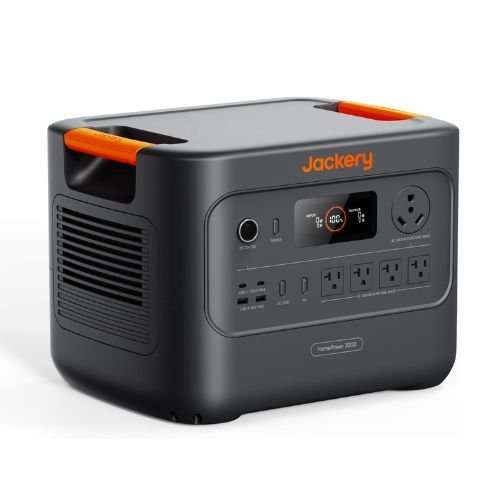
- 3600W output with 7200W surge
- 3072Wh long-lasting LFP battery
- Reliable home backup power solution
- Ideal for outages RV emergencies
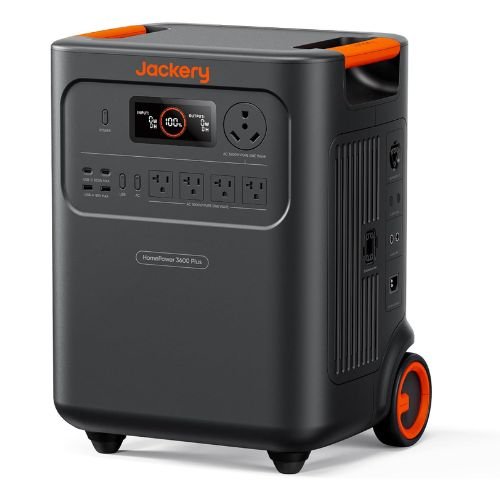
- 3600W powerful AC output capacity
- 3584Wh long-lasting LFP battery
- Expandable storage up to 21kWh
- Reliable backup for home emergencies
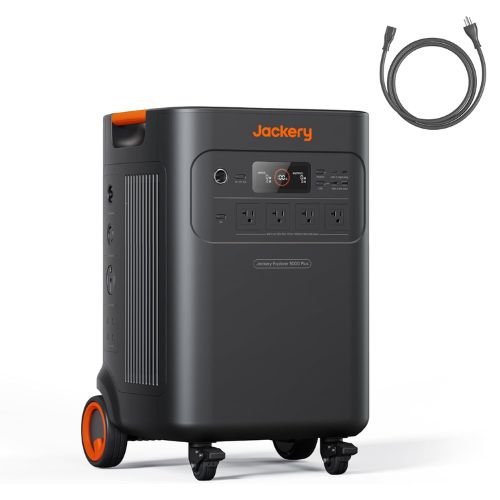
- Massive 5000Wh long-lasting battery capacity
- 7200W powerful dual voltage AC output
- Expandable storage up to 60kWh
- Ideal backup for power outages
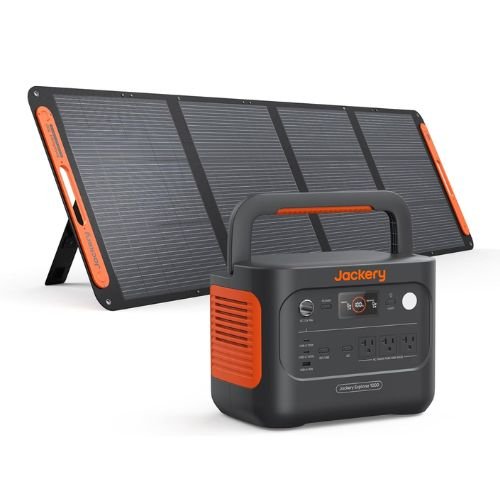
- 1070Wh compact LiFePO4 battery capacity
- 1500W AC and 100W USB-C output
- One hour ultra fast charging
- Ideal for outdoor and emergencies
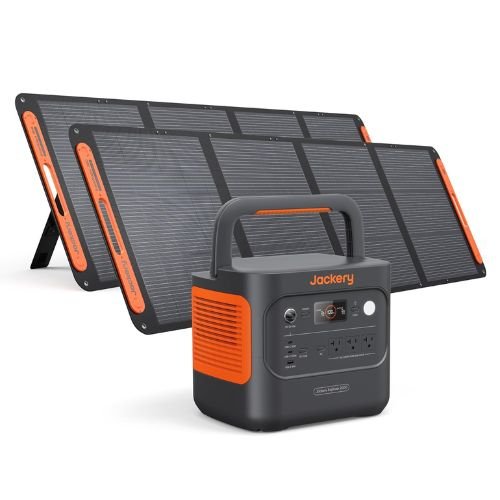
- 2042Wh high capacity LiFePO4 battery
- 2200W powerful solar generator output
- 20ms UPS seamless power backup
- Fast 100W USB-C charging support
Camping today is no longer about completely disconnecting from the world. People still want comfort, convenience, and reliable power while enjoying nature. Whether it is charging a phone, running a portable fan, or powering lights at night, access to electricity makes outdoor trips smoother and safer. This is where Jackery solar panels become a practical solution.
Portable solar panels have changed how travellers approach outdoor energy. Instead of relying on fuel-based generators or limited battery packs, solar panels offer a clean and renewable way to stay powered anywhere. They are lightweight, easy to carry, and designed for real-life outdoor use. For campers, van lifers, and road trippers, they provide freedom without sacrificing convenience.
This guide covers everything you need to know about choosing the best Jackery solar panels for camping and outdoor trips. You will learn about different models, features, use cases, and tips to get the most value. By the end, you will have a clear idea of which panel suits your travel style.
Why Solar Panels Are Essential for Camping?
Camping without power can limit your experience. Solar panels solve this problem by giving you access to energy wherever there is sunlight.
Key Benefits
- Clean and renewable energy source
- No fuel or noise involved
- Ideal for remote locations
- Reduces dependence on power banks
- Supports longer outdoor trips
Practical Advantages
Solar panels are especially useful for extended camping. Instead of worrying about battery levels, you can recharge your devices daily using sunlight. This keeps your essentials running without interruption.
They also improve safety. Having power means you can keep communication devices charged, use lights at night, and handle emergencies better. For many campers, this adds peace of mind while exploring remote areas.
What Are Jackery Solar Panels?
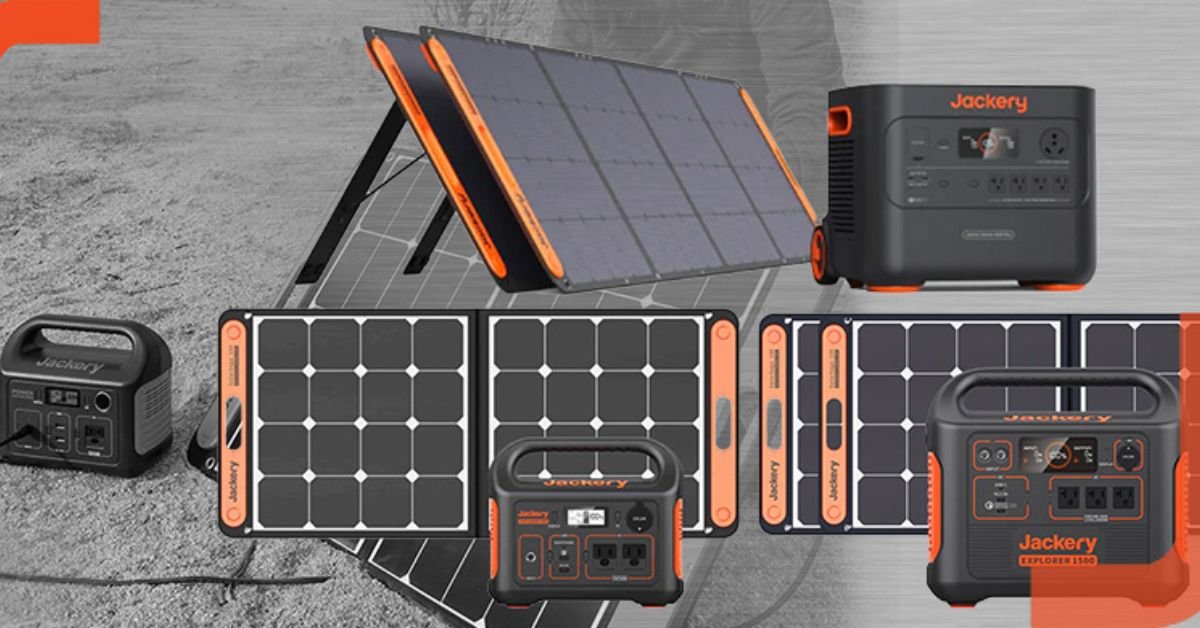
Jackery solar panels, often known as SolarSaga panels, are portable solar chargers designed to work seamlessly with Jackery power stations.
Key Features
- Foldable and lightweight design
- High conversion efficiency
- Easy setup with kickstands
- Durable for outdoor conditions
- Compatible with multiple Explorer models
How They Work
- Capture sunlight through solar cells
- Convert sunlight into electricity
- Transfer energy to a power station
- Store energy for later use
This simple process allows you to generate power during the day and use it whenever needed.
Types of Jackery Solar Panels
Jackery offers different solar panel options based on power output and portability.
SolarSaga 40W
Best for light users and short trips.
- Compact and easy to carry
- Ideal for phones and small devices
SolarSaga 80W
Balanced option for moderate use.
- Better charging speed
- Suitable for small power stations
SolarSaga 100W
Most popular choice for campers.
- High efficiency
- Good balance of size and power
SolarSaga 200W
Designed for faster charging.
- Higher output
- Suitable for larger power stations
How to Choose the Best Jackery Solar Panel
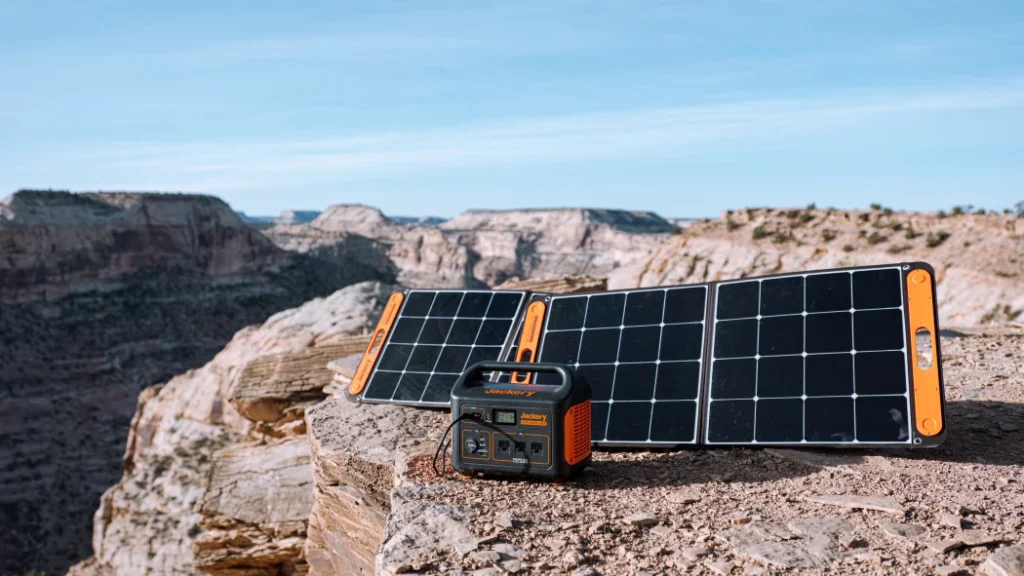
Choosing the right solar panel is not just about picking the highest wattage. It depends on how you travel, what devices you use, and how often you need power. If you are planning to invest in Jackery solar panels, it helps to focus on a few key factors that directly affect performance and convenience during camping or outdoor trips.
1. Power Output
Power output is the most important factor because it determines how fast your devices or power station will charge. Higher wattage panels generate more energy in less time, which is especially useful when sunlight is limited.
- 40W to 80W panels are suitable for basic needs like charging phones, small gadgets, or power banks
- 100W panels are ideal for regular camping and can efficiently charge mid-sized power stations
- 200W panels are designed for heavy usage and faster charging, especially when running multiple devices
If you camp occasionally and only need to charge small devices, lower wattage panels will work fine. For longer trips or higher energy demand, a 100W or 200W panel is a better choice.
2. Portability
Portability plays a big role, especially if you travel frequently or move between locations. Solar panels should be easy to carry, store, and set up without adding too much weight to your gear.
- Smaller panels are lightweight and compact, making them perfect for backpacking or short trips
- Larger panels provide more power but are heavier and require more space
If you prioritise convenience and mobility, go for a compact panel. If you are travelling by car or van and can manage extra weight, a larger panel will give better performance.
3. Compatibility
Not all solar panels work with every power station. Compatibility ensures that your panel connects properly and delivers efficient charging.
Before buying, always:
- Check if the panel supports your Jackery Explorer model
- Confirm connector type and voltage compatibility
- Look for official pairing recommendations
Using compatible equipment improves efficiency and avoids charging issues. It also ensures that you get the best performance from your setup.
4. Charging Speed
Charging speed depends on both the panel wattage and the number of panels used. If you need quick charging during limited sunlight hours, this becomes a key factor.
- Higher wattage panels charge faster
- Connecting multiple panels increases charging speed
- Weather conditions also affect performance
For short trips, a single panel may be enough. For extended camping or off-grid living, using multiple panels can significantly reduce charging time and keep your power station ready.
5. Budget
Budget is always an important consideration, but it should be balanced with performance. Cheaper panels may save money upfront but may not deliver the power or durability you need.
When planning your budget, consider:
- Your power requirements
- Frequency of use
- Long-term value
Investing in a reliable and efficient panel ensures better performance and reduces the need for upgrades later. It is often better to spend a bit more once than to replace a low-performance panel too soon.
Choosing the best Jackery solar panel becomes simple when you match these factors with your lifestyle. Focus on power output, portability, compatibility, charging speed, and budget to make a smart and practical decision.
Best Jackery Solar Panels for Camping
1. SolarSaga 100W
This is the most recommended option for most campers.
- Lightweight and foldable
- Fast charging performance
- Works well with Explorer 500 and 1000
2. SolarSaga 200W
Ideal for longer trips and higher power needs.
- Faster charging time
- Suitable for larger setups
3. SolarSaga 80W
Good for beginners.
- Affordable
- Easy to carry
Comparison Table of Jackery Solar Panels
| Model | Power Output | Weight | Best Use Case |
|---|---|---|---|
| SolarSaga 40W | 40W | Light | Phones, small devices |
| SolarSaga 80W | 80W | Medium | Light camping |
| SolarSaga 100W | 100W | Medium | Regular camping |
| SolarSaga 200W | 200W | Heavy | Long trips, heavy usage |
Benefits of Using Jackery Solar Panels
Key Advantages
- Eco-friendly power solution
- Quiet operation
- Easy to set up
- Reliable charging
- Durable build quality
Real-Life Benefits
- Stay connected during trips
- Charge devices without limits
- Reduce reliance on electricity
- Support sustainable travel
How to Use Jackery Solar Panels Effectively
Setup Steps
- Place panels in direct sunlight
- Adjust angle using kickstands
- Connect to power station
- Monitor charging status
Tips for Better Performance
- Avoid shaded areas
- Clean panels regularly
- Use during peak sunlight hours
- Combine multiple panels if needed
Common Mistakes to Avoid
Choosing the right solar setup can make or break your outdoor experience. Many beginners overlook simple details that directly affect performance. If you are using Jackery solar panels, avoiding these common mistakes will help you get better efficiency and longer lifespan from your investment.
Choosing Low Wattage Panels
One of the biggest mistakes is selecting panels with very low wattage. While smaller panels may seem affordable and easy to carry, they often fail to deliver enough power for real outdoor needs.
Low wattage panels take longer to charge your power station, especially when sunlight is limited. This becomes a problem during cloudy weather or short daylight hours. You may end up waiting too long just to charge basic devices.
It is always better to choose a panel that matches your energy needs. If you plan to run multiple devices or stay outdoors for longer periods, a higher wattage panel like 100W or 200W will perform much better.
Ignoring Weather Conditions
Solar panels depend heavily on sunlight, yet many users ignore weather conditions when planning their setup. Cloudy days, rain, or shaded environments can significantly reduce charging efficiency.
If you rely only on solar without considering weather changes, you may run out of power at critical times. This is especially risky during long trips or emergencies.
To avoid this:
- Check weather forecasts before your trip
- Carry a backup charging option if needed
- Use higher wattage panels to compensate for low sunlight
Planning for weather ensures consistent performance and avoids unexpected power issues.
Poor Placement of Panels
Placement plays a huge role in how well your solar panels perform. Many users place panels casually without paying attention to sunlight direction or angle.
If panels are not facing direct sunlight, their efficiency drops significantly. Even partial shade can reduce output.
For best results:
- Place panels in direct sunlight
- Adjust the angle using built-in stands
- Reposition panels throughout the day if possible
Proper placement can improve charging speed without needing additional equipment.
Not Checking Compatibility
Another common mistake is not checking whether the solar panel is compatible with your power station. Even if the panel is from the same brand, not all models work seamlessly together.
Using incompatible panels can result in slow charging or no charging at all. It can also affect long-term performance.
Before buying:
- Confirm compatibility with your specific Explorer model
- Check connector types and voltage range
- Prefer official combinations for best efficiency
This ensures smooth operation and maximum output.
Avoiding these mistakes helps you get the most out of your solar panels. It improves charging efficiency, extends product life, and ensures reliable power during your outdoor trips.
Ideal Use Cases for Outdoor Trips
Jackery solar panels are versatile and can be used in different outdoor situations. Whether you are camping, travelling, or preparing for emergencies, they provide a reliable power source.
Camping
Camping is one of the most popular uses for solar panels. They allow you to enjoy nature without giving up basic comforts.
You can use them to:
- Power lights for night visibility
- Run small fans for comfort
- Charge phones and cameras
- Keep essential devices ready
This makes your camping experience more comfortable and stress-free.
Road Trips
Road trips often involve long hours on the move, and keeping devices charged becomes essential. Solar panels provide a convenient way to generate power even when you are far from charging points.
They help you:
- Keep smartphones and tablets charged
- Support GPS and navigation systems
- Power small accessories during travel
This ensures that you stay connected and on track throughout your journey.
Van Life
Van life requires a reliable and continuous power source. Solar panels are a perfect fit because they allow you to live off-grid while maintaining daily comfort.
With the right setup, you can:
- Run small appliances
- Charge multiple devices
- Maintain lighting and ventilation
This creates a self-sufficient lifestyle where you are not dependent on external power sources.
Emergency Situations
Solar panels are also valuable during emergencies. Power outages can happen unexpectedly, and having a backup energy source can make a big difference.
You can use them to:
- Charge essential communication devices
- Power emergency lights
- Support critical equipment
This ensures safety and preparedness during difficult situations.
Who Should Buy Jackery Solar Panels
Ideal Users
- Campers and hikers
- Travellers and explorers
- Remote workers
- Outdoor content creators
Not Ideal For
- Heavy industrial use
- Indoor-only usage
Future of Solar Camping Gear
Portable solar solutions are becoming more popular due to:
- Rising fuel costs
- Increased focus on clean energy
- Growth in outdoor travel
Jackery continues to improve efficiency and portability, making solar panels more practical for everyday use.
Final Thoughts:
Jackery solar panels offer a simple and reliable way to stay powered during camping and outdoor trips. They provide clean energy, reduce dependence on traditional power sources, and improve overall travel comfort. Whether you are a beginner or an experienced traveller, choosing the right solar panel can make a significant difference.
The key is to match your needs with the right model. Consider power output, portability, and usage scenarios before making a decision. With the right setup, you can enjoy your outdoor adventures without worrying about running out of power.
Must Read:
- Jackery Explorer Series: Complete Buyer’s Guide for Beginners
- Best Jackery Power Stations for Home Backup
- Jackery Backup Power Solution: Complete Guide for Reliable Energy
FAQs:
1. Are Jackery solar panels good for camping?
Yes, they are portable, easy to use, and provide reliable power for outdoor activities.
2. Can I use them without a power station?
They work best with a power station, but some models can charge devices directly.
3. How long do they take to charge?
Charging time depends on sunlight and panel wattage.
4. Are they waterproof?
They are resistant to light rain but should not be exposed to heavy water.
5. Can I connect multiple panels?
Yes, connecting multiple panels increases charging speed.
6. Are they worth the investment?
For frequent travellers and campers, they provide excellent value and convenience.
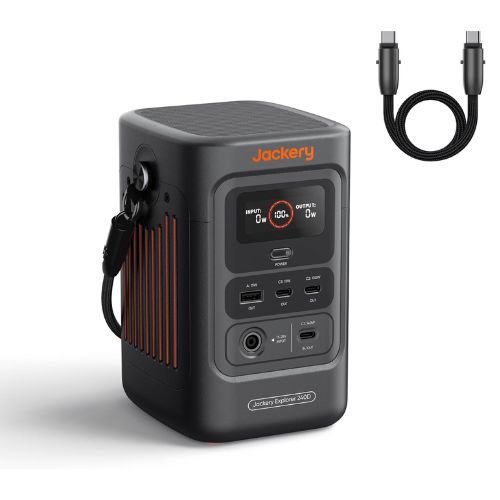
- 80000mAh compact LiFePO4 battery capacity
- 200W reliable DC output power
- One hour fast charging support
- Perfect for camping travel emergencies
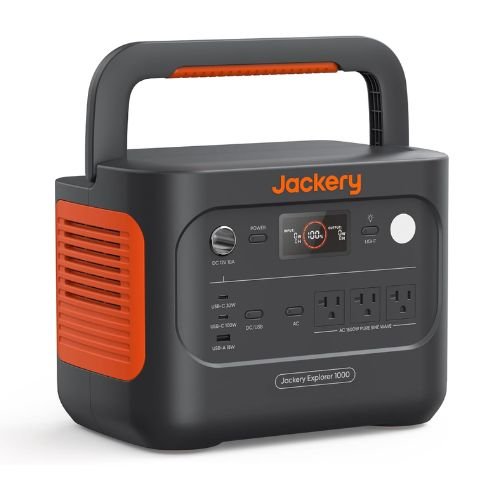
- 1070Wh long-lasting LiFePO4 battery capacity
- 1500W powerful AC output performance
- One hour ultra fast charging
- Ideal for camping RV emergencies
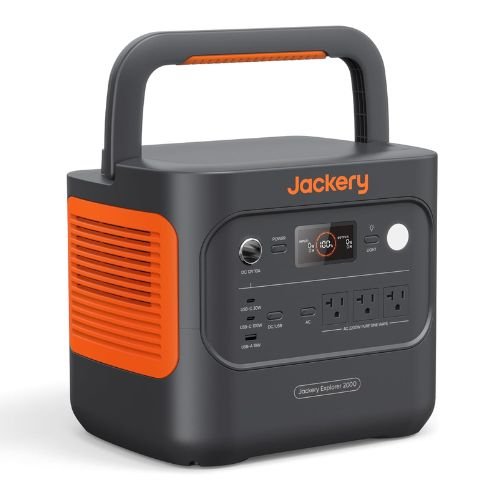
- 2042Wh high capacity LiFePO4 battery
- 2200W powerful solar generator output
- Fast 100W USB-C charging support
- Reliable backup for outages emergencies
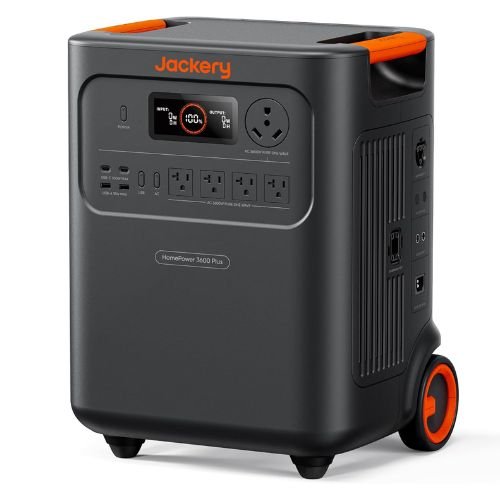
- 3600W powerful AC output capacity
- 3584Wh long-lasting LFP battery
- Expandable storage up to 21kWh
- Ideal backup for home emergencies
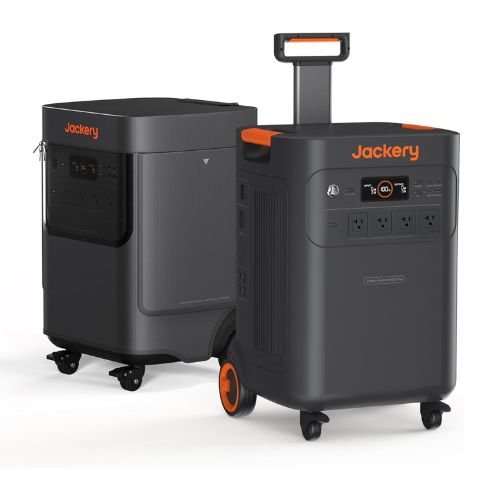
- 5040Wh massive LiFePO4 battery capacity
- 7200W dual voltage AC output
- Expandable storage up to 60kWh
- Ideal for home power outages