

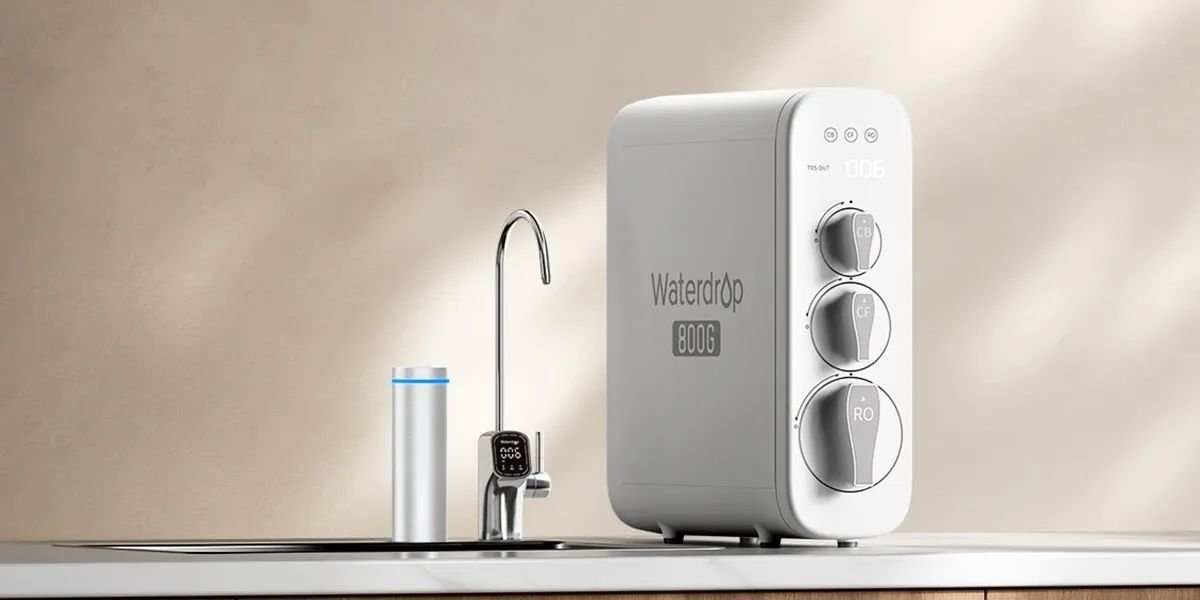
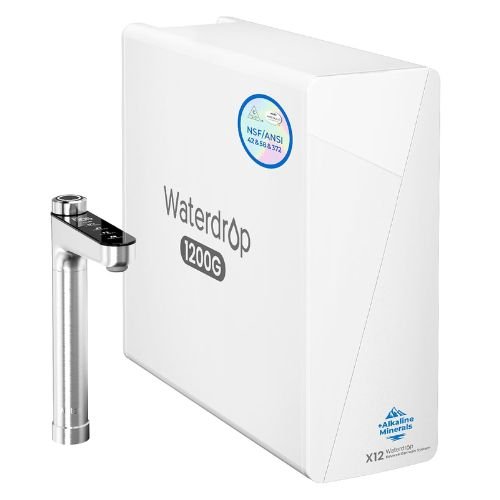
- Multi-stage filtration improves water quality
- Removes chlorine taste and unpleasant odours
- Compact design fits modern kitchen spaces
- Affordable solutions for clean drinking water
Clean drinking water is something most people expect, but not everyone gets from their tap. In many homes, water may look clear but still carry chlorine taste, odours, or unwanted contaminants. That is why more people are turning to home filtration systems. One brand that keeps coming up in conversations is Waterdrop.
The big question is simple. Does a Waterdrop filter actually improve water quality in a noticeable way, or is it just another product with big claims? With so many options available, from basic pitchers to advanced systems, it can be confusing to choose the right one.
This detailed Waterdrop Filters Review gives you a clear picture. You will learn how these filters work, what results you can expect, and whether they are worth your money. If you want better-tasting water, fewer impurities, and a reliable home solution, this guide will help you make a smart decision.
Quick Overview of Waterdrop Filters
Before going deeper into details, it helps to look at a simple overview of what Waterdrop offers. The brand focuses on making water filtration practical, accessible, and effective for everyday use. Whether you want a basic solution for better taste or a more advanced system for deeper purification, Waterdrop provides options that fit different needs.
Multi-Stage Filtration Systems
One of the key strengths of Waterdrop filters is the use of multi-stage filtration. Instead of relying on a single filter layer, these systems pass water through multiple stages to remove different types of impurities.
This approach helps target a wide range of contaminants, including sediment, chlorine, odours, and in advanced systems, heavy metals. Each stage works together to improve water quality step by step. The result is water that tastes better and feels cleaner for daily use.
Options for Every Budget
Waterdrop offers a wide range of products, which makes it easier for users to choose based on their budget. From affordable pitcher filters to advanced under-sink and reverse osmosis systems, there is something for almost every household.
This flexibility allows users to start with a simple option and upgrade later if needed. It also makes the brand accessible to both first-time buyers and those looking for more advanced solutions.
Compact and Modern Design
Many Waterdrop filters are designed to fit easily into modern kitchens. Space is often limited, so compact designs help users install the system without cluttering their area.
Under-sink models stay hidden while countertop units are designed to look clean and minimal. This makes them suitable for both small apartments and larger homes.
Easy Installation for Most Models
Another practical advantage is ease of installation. Many models are designed for quick setup without requiring professional help.
Pitcher and countertop filters need little to no installation, while under-sink systems come with clear instructions that make the process manageable. This saves time and reduces extra costs.
Suitable for Home and Office Use
Waterdrop filters are not limited to home kitchens. They can also be used in offices, small workplaces, and shared spaces where clean drinking water is important.
Their flexibility makes them useful for different environments. Whether you need filtered water for a family or a small team, these systems can handle daily use effectively.
Overall, Waterdrop offers a balanced combination of performance, convenience, and affordability. This makes it a practical choice for people looking to improve their water quality without making the process complicated.
Product Overview Table
| Feature | Details |
|---|---|
| Brand | Waterdrop |
| Filtration Type | Multi-stage / RO |
| Installation | Easy to moderate |
| Ideal Use | Drinking and cooking water |
| Range | Pitchers to advanced systems |
What Are Waterdrop Filters?
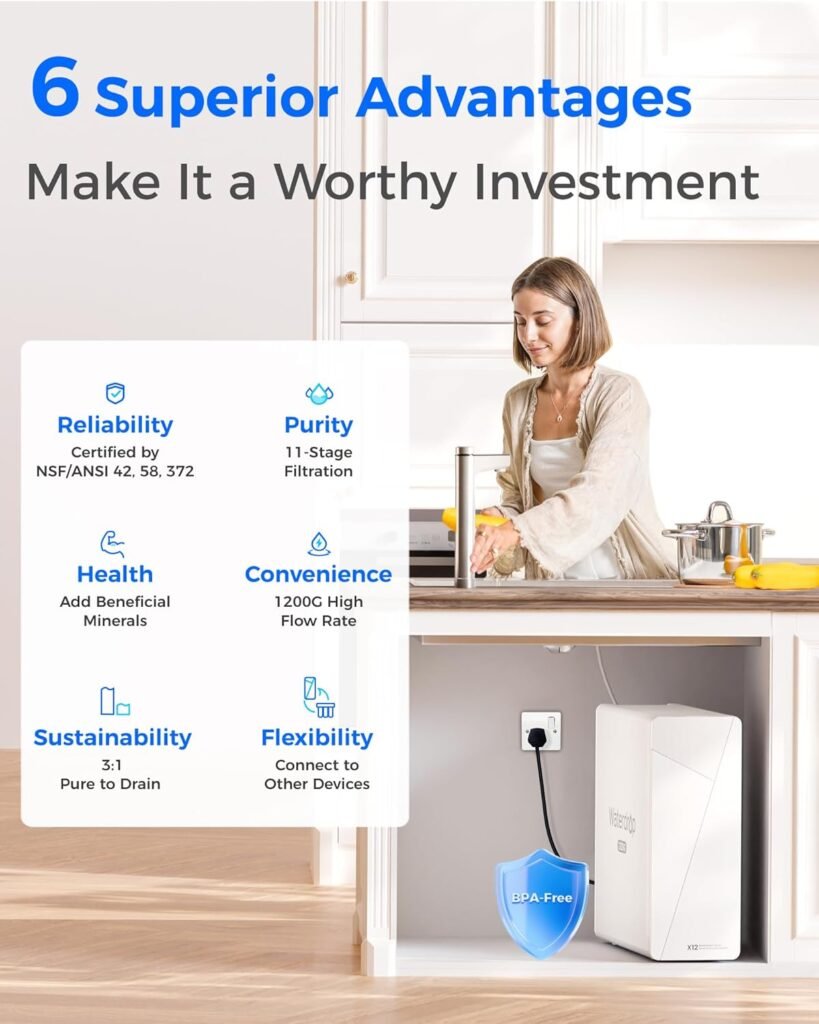
Waterdrop filters are designed to improve water quality by removing impurities and enhancing taste. The brand offers different types of filtration systems to match different needs.
Types of Waterdrop Filters
- Pitcher filters for simple use
- Under-sink systems for daily kitchen use
- Reverse osmosis systems for deep purification
- Countertop units for easy setup
Each type is designed for a specific level of filtration. For example, pitchers improve taste and reduce chlorine, while RO systems remove a much wider range of contaminants.
What They Target
- Chlorine and bad taste
- Heavy metals like lead
- Sediments and particles
- Odours and chemicals
How Waterdrop Filters Work
Waterdrop systems use multiple filtration stages. Each stage removes a specific type of impurity.
Filtration Process
- Pre-filter removes dirt and sediment
- Carbon filter improves taste and removes chlorine
- Advanced filters or RO membrane remove heavy metals and contaminants
Why Multi-Stage Filtration Matters
A single filter cannot remove everything. Multi-stage filtration ensures better water quality by targeting different impurities step by step.
Simple Flow
- Water enters the system
- Passes through filters
- Clean water comes out
Key Features That Make Waterdrop Popular
Water filtration systems from Waterdrop have gained strong attention because they focus on practical benefits that users notice in daily life. Instead of adding unnecessary complexity, these filters combine performance, convenience, and affordability. The features below explain why many households prefer this brand for regular water use.
1. Wide Product Range
Waterdrop offers solutions for different users. Whether you want a simple pitcher or a full system, there is an option available.
Benefits:
- Suitable for all budgets
- Flexible choices
- Easy upgrade options
2. Strong Filtration Performance
The filtration system is designed to reduce common contaminants effectively.
Benefits:
- Better taste
- Cleaner water
- Reduced impurities
3. Space-Saving Design
Many models are compact and fit easily into modern kitchens.
Benefits:
- Saves space
- Easy installation
- Clean and modern look
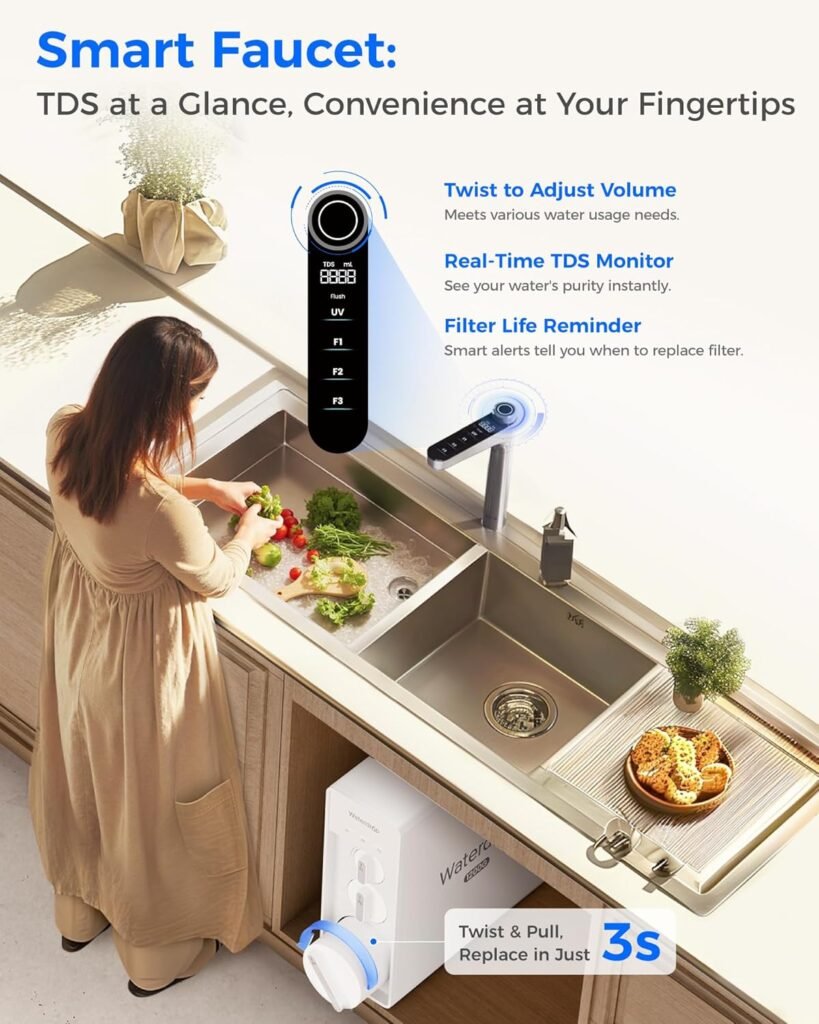
4. Smart Features in Advanced Models
Some high-end models include digital indicators and monitoring systems.
Benefits:
- Track filter life
- Monitor water quality
- Improve user control
Real-Life Performance and Results
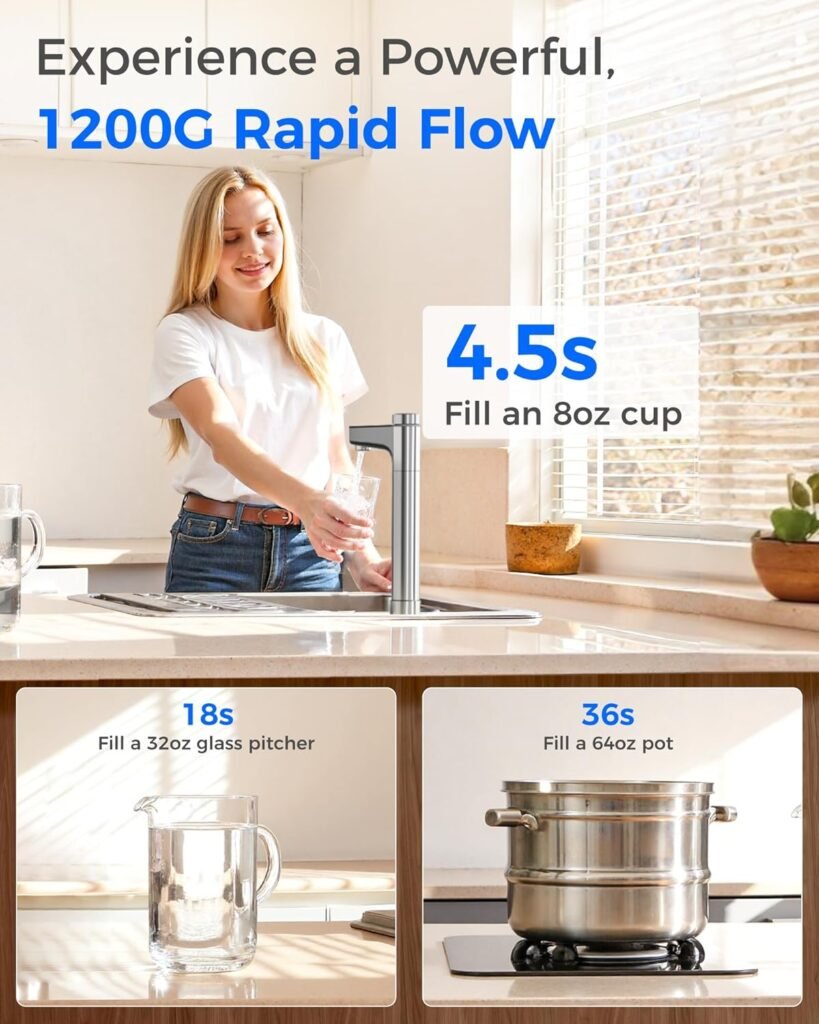
Performance depends on the type of system used and the condition of your water.
What Users Notice
- Improved taste within days
- Reduced chlorine smell
- Clearer water
- Less need for bottled water
Real-Life Example
A household using tap water with strong chlorine smell noticed that after installing a Waterdrop under-sink system, the taste improved immediately. Within a week, they stopped buying bottled water.
Timeline of Results
- Day 1: Better taste
- Week 1: Noticeable improvement
- Week 2+: Consistent clean water
Pros and Cons of Waterdrop Filters
Pros
- Affordable options available
- Wide range of products
- Effective filtration
- Easy to use
- Compact designs
Cons
- Filter replacement cost
- Installation needed for some models
- Not all models remove every contaminant
Who Should Use Waterdrop Filters?
Ideal Users
- Families wanting better drinking water
- People dealing with chlorine taste
- Budget-conscious buyers
- Homeowners and renters
Not Ideal For
- Users needing industrial-level purification
- Those unwilling to maintain filters
Comparison: Waterdrop vs Other Filters
| Feature | Waterdrop | Premium Brands |
|---|---|---|
| Price | Affordable | High |
| Filtration | Strong | Strong |
| Design | Modern | Premium |
| Smart Features | Limited | Advanced |
| Value | High | Medium |
Key Insight
Waterdrop offers strong value for money, focusing on performance rather than luxury features.
Step-by-Step Guide to Using Waterdrop Filters
Using a system from Waterdrop is simple, but following the right process makes a big difference in performance and long-term results. Many users install a filter and expect instant perfection, but a few small steps before and after setup ensure you get the best possible water quality every day.
Preparation Checklist
Before you begin, take a moment to prepare properly. This step is often ignored, but it helps avoid common issues later. Start by choosing the correct type of filter based on your needs. For example, a pitcher works well for basic use, while an under-sink system is better for long-term daily use.
Next, read the instructions carefully. Even if the system looks simple, each model has specific guidelines that ensure safe installation and proper function. Skipping this step can lead to leaks or poor filtration.
Also, check the installation requirements. Make sure you have enough space, the right connections, and access to a water source. Preparing everything in advance saves time and avoids frustration during setup.
Usage Steps
Once everything is ready, you can move on to using the filter. The first step is installation. Follow the instructions step by step and ensure all parts are securely connected. A proper setup prevents leaks and ensures smooth water flow.
After installation, run an initial water flush. This step is very important. It clears out any carbon dust or small particles left inside the filter during manufacturing. If you skip this, the first few uses may have an unusual taste.
Once flushing is complete, you can start using the filtered water for drinking and cooking. At this stage, you should begin to notice an improvement in taste and clarity. Many users find that water feels fresher and more pleasant within the first day.
Maintenance Tips
Maintenance is the key to keeping your filter working effectively over time. One of the most important tasks is replacing the filter on schedule. Every filter has a lifespan, and using it beyond that limit reduces its ability to clean water properly.
Cleaning is another important habit. Even though the filter does most of the work, the outer system can collect dust and residue. Regular cleaning helps maintain hygiene and prevents buildup.
You should also pay attention to performance. If you notice slower water flow or a change in taste, it may be a sign that the filter needs replacement. These small signals help you take action before performance drops completely.
Simple Routine for Best Results
- Always install the system correctly
- Never skip the initial flushing step
- Replace filters as recommended
- Keep the unit clean and dry
- Monitor water quality regularly
Following these steps keeps your Waterdrop filter running smoothly and ensures you always have access to clean, safe water. With a little consistency, the system becomes a reliable part of your daily routine.
Safety and Maintenance Considerations
Using a system from Waterdrop is safe and reliable when basic precautions are followed. Many users focus only on installation, but safety and regular care play a major role in long-term performance. A few simple habits can protect both your device and your water quality.
Safety Tips
Start with a clean and reliable water source. While the filter improves water quality, it is not designed to handle extremely contaminated or unsafe sources beyond its capacity. Using a proper input source helps the system work efficiently.
Installation is another critical step. Make sure all connections are tight and secure. Even a small mistake can lead to leaks or reduced filtration performance. Always follow the instructions provided with the system instead of guessing the setup.
It is also important to follow manufacturer guidelines at all times. These instructions are designed to keep the system running safely and effectively. Ignoring them may reduce performance or shorten the lifespan of the filter.
Maintenance Routine
Regular maintenance ensures consistent water quality. Filters do not last forever, and using them beyond their recommended life reduces their ability to remove impurities.
Replace filters as recommended based on usage and model type. Some systems may need replacement every few months, while others last longer. Keeping track of this schedule is important.
Cleaning the system on a monthly basis helps prevent buildup of dirt and residue. Even if the filter handles most of the impurities, external parts still need attention. Regular inspection also helps identify issues early, such as reduced water flow or unusual taste.
Common Mistakes to Avoid
Even a high-quality system can fail to deliver results if used incorrectly. Avoiding common mistakes helps you get the best performance from your filter.
Checklist
- Delaying filter replacement beyond recommended time
- Ignoring installation instructions during setup
- Using the wrong filter type for your needs
- Skipping regular maintenance and cleaning
- Expecting instant perfect results without consistent use
Many users expect immediate transformation, but filtration works best when maintained properly over time.
Buying Tips Before You Choose
Choosing the right filter is just as important as using it correctly. A well-informed purchase ensures better results and long-term satisfaction.
What to Check
Start by identifying the type of filtration you need. Basic filters improve taste, while advanced systems remove a wider range of contaminants. Knowing your requirement helps narrow down the right option.
Next, consider installation space. Some systems need under-sink space, while others sit on the countertop. Make sure your kitchen setup can support the model you choose.
Budget is another important factor. Look beyond the initial price and consider long-term costs, including filter replacements. A cheaper system with expensive filters may not be cost-effective over time.
Filter lifespan also matters. Longer-lasting filters reduce maintenance frequency and save money in the long run.
Smart Buying Checklist
Before making a final decision, go through this simple checklist to avoid future regrets.
- Match the system with your daily water needs
- Check long-term filter replacement costs
- Read real user reviews for practical insights
- Compare multiple models instead of choosing quickly
Taking a little extra time during the buying stage helps you avoid common issues later. With the right choice and proper care, your water filtration system can provide clean, safe water for years.
Must Read:
- BOLITE Glass Hummingbird Feeder Review: Worth It?
- YADU Air Purifier Review: Clean Air Without High Cost?
Final Verdict:
Waterdrop filters deliver noticeable improvements in water quality, especially for everyday household use. They are not overly expensive, yet they offer reliable filtration that improves taste and reduces common contaminants.
If your goal is cleaner, better-tasting water without spending heavily, Waterdrop is a practical choice. It works well for most households and offers a good balance between cost and performance.
For users willing to maintain their system and replace filters on time, the results are consistent and worth the investment.
- Multi-stage filtration improves water quality
- Removes chlorine taste and unpleasant odours
- Compact design fits modern kitchen spaces
- Affordable solutions for clean drinking water